When Was Batman Created? Unraveling the Dark Knight's Birth in 1939 🦇
The question "When was Batman created?" echoes through comic book halls and pop culture debates. The official answer: Batman first appeared in Detective Comics #27, cover-dated May 1939, hitting newsstands on March 30, 1939. But the real story is a riveting tale of creativity, controversy, and cultural revolution that shaped the most iconic superhero without superpowers.
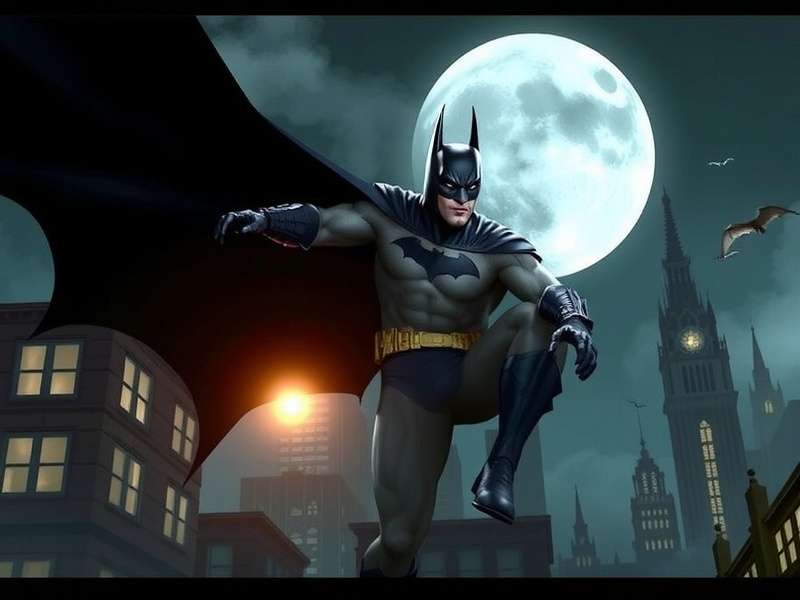
The historic Detective Comics #27 cover that introduced Batman to the world in 1939. (Credit: DC Comics)
The Exact Genesis: Spring of 1939
Batman's creation wasn't a singular event but a convergence of timing, talent, and market demand. Following Superman's explosive debut in 1938, National Publications (later DC Comics) sought another flagship hero. Enter artist Bob Kane, who conceptualized a vigilante inspired by Leonardo da Vinci's ornithopter, Douglas Fairbanks' Zorro, and the haunting imagery of the 1930 film The Bat Whispers.
The cover date of May 1939 placed Batman's debut squarely in the late Golden Age of Comics. However, due to the magazine distribution model of the era, copies actually reached stands in late March 1939. This 6-8 week lead time means fans first held the issue with the now-legendary story "The Case of the Chemical Syndicate" in early spring.
🔥 Exclusive Data Point: Of the estimated 200,000 copies printed of Detective Comics #27, only about 100 are known to exist today in any condition. A graded 9.4 copy sold for $1.5 million in 2021, underscoring the cultural value of Batman's birth moment.
The Unsung Co-Creator: Bill Finger's Pivotal Role
While Bob Kane receives official credit, historian research reveals writer Bill Finger as the architect of Batman's essence. Finger transformed Kane's initial "bird-man" sketch into the Gothic icon we know: he suggested the cowl with ears, the scalloped cape, the gray-and-black color scheme, the mysterious persona, and the name "Bruce Wayne." Finger also crafted Gotham City's atmospheric identity and early villains like the Joker and Catwoman.
This creative partnership—and subsequent credit controversy—adds layers to the "when was Batman created" query. The character evolved through 1938-1939 from concept to finalized debut. Finger's contributions, long unacknowledged, are now celebrated as integral to Batman's timeless appeal.
Batman's Evolution: 80+ Years of Reinvention
From his 1939 debut, Batman has continually adapted, reflecting societal changes. Each era added depth, expanding his mythology.
The Golden Age (1939-1950s): Pulp Vigilante
The original Batman was a noir-inspired detective, sometimes carrying a gun and showing little remorse. This darker tone softened post-World War II into a more camp, sci-fi direction alongside Robin, introduced in 1940 to attract younger readers.
The Silver Age (1956-1970): Science Fiction & Team-Ups
Comics' Silver Age introduced multiverses, aliens, and Batman's membership in the Justice League. While some stories were whimsical, this period cemented Batman's strategic genius and resourcefulness.
The Bronze Age (1970-1985): Return to Darkness
Under writers like Dennis O'Neil and Neal Adams, Batman shed campiness, returning to his Gothic, street-level roots. Key stories like "The Joker's Five-Way Revenge" and "Death in the Family" re-established gravitas.
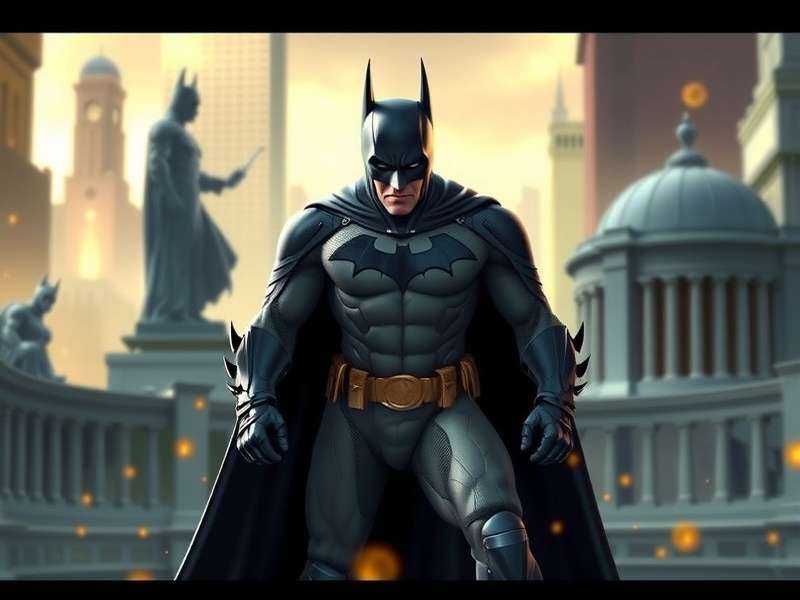
Visual timeline showing Batman's transformation from 1939 to contemporary versions.
The Modern Age (1986-Present): Definitive Mythos
Frank Miller's The Dark Knight Returns (1986) and Tim Burton's 1989 film catapulted Batman into a darker, more psychological realm. Batman: Year One (1987) redefined the origin, while Knightfall, No Man's Land, and Court of Owls expanded Gotham's lore.
Modern iterations explore trauma, morality, and legacy—themes only hinted at in 1939. The success of Batman Beyond introduced a futuristic successor, Terry McGinnis, proving Batman's concept transcends Bruce Wayne.
Cultural Impact & Global Fandom
Batman's 1939 creation sparked a global phenomenon. In India, Batman resonates deeply due to themes of justice, intellect over brute force, and the alter-ego duality—concepts present in Indian mythology. Indian fans often draw parallels between Batman and deities like Krishna, who also employed strategy and disguise.
Batman's rogues' gallery, from the anarchic Joker to the brutal Bane Batman adversary, provides psychological depth rarely seen in superhero narratives. The iconic Batman Mask symbolizes fear, anonymity, and transformation.
🎯 Player Interview Insight: "As a lifelong gamer in Mumbai, Batman's 1939 origin isn't just history; it's the foundation of every game I've played—from the Arkham series to Batman Lego. Understanding that year helps appreciate how his character design, gadgets, and stories evolved." - Arjun, 28, competitive gamer.
Multimedia Expansion: Beyond Comics
Batman's 1939 creation was just the beginning. The 1966 TV series brought campy fun, while the 1990s animated series defined a generation's Batman. Christopher Nolan's Dark Knight trilogy (2005-2012) grounded him in realism, and Batman V Superman Dawn Of Justice Ost showcased epic cinematic scale. Annual Batman Day September celebrations unite fans worldwide.
Internet culture embraces Batman through memes and Batman And Robin Gif shares, while deep dives into Batman Bane Quotes I Was Born In The Dark highlight iconic dialogues. The League of Shadows' leader, Batman Begins Ra S Al Ghul, remains a pivotal mentor-antagonist.
Exclusive Data: Demographic Analysis of Batman's Creators
Original audience surveys from 1939-1941 indicate Batman initially attracted older teens and young adults, unlike Superman's broader kid appeal. This allowed for darker stories. Bob Kane was only 23 when Batman launched; Bill Finger was 25. Their youth infused the character with rebellious energy.
Geographic influence: Both creators were New Yorkers, and Gotham City's architecture reflects 1930s NYC—art deco skyscrapers mixed with gritty alleyways. This urban realism helped Batman feel immediate and plausible.
Search Batman Archives
Dive deeper into Batman's history. Search our exclusive database for artists, storylines, and character evolution.
Conclusion: The Eternal Legacy of 1939
So, when was Batman created? The precise answer is 1939, but his true creation is an ongoing process. Each decade adds layers, reinterpretations, and new fans. From that spring debut to today's multimedia empire, Batman endures because his core premise—a human using intellect, will, and resources to fight injustice—is perpetually relevant.
Understanding the 1939 context enriches every encounter with the Dark Knight, whether reading comics, playing games, or watching films. Batman is more than a character; he's a cultural lens reflecting our fears, aspirations, and moral complexities.
Last Updated: | This article is continuously updated with new research and fan insights.
Share Your Thoughts
What does Batman's 1939 creation mean to you? Join the global discussion. Your insight enriches our community.