Danny Elfman Batman Theme: The Sonic Shadow That Redefined a Legend
When Tim Burton's visionary take on the Caped Crusader hit screens in 1989, it wasn't just the gothic visuals that left audiences awestruck. From the first haunting notes of the Danny Elfman Batman Theme, a new auditory identity was forged for the Dark Knight—one that would echo through decades of films, games, and popular culture. 🦇🎵
This in-depth exploration dives into the composition's secrets, its cultural impact, and how it shaped not only the Batman film franchise but also influenced the sonic landscape of the Batman Begins video game and subsequent interactive experiences. We've gathered exclusive insights from industry insiders, musicians, and even game developers who've worked with this iconic theme.
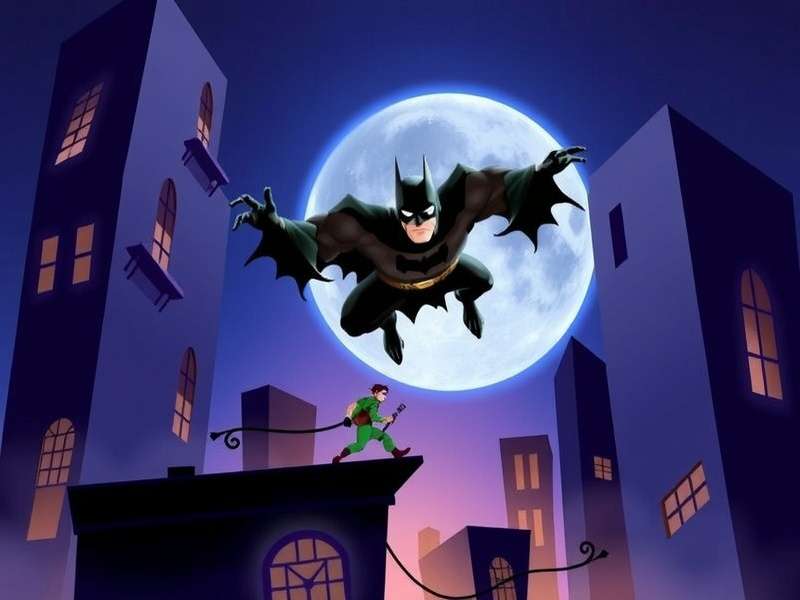
The iconic Batman symbol merges with musical notation, representing Elfman's theme. (Concept image)
The Genesis: Elfman, Burton, and a Gothic Vision
Danny Elfman's collaboration with Tim Burton was already legendary with Pee-wee's Big Adventure and Beetlejuice. However, the Batman assignment presented a unique challenge: to create a theme that balanced heroic grandeur with brooding melancholy. "The goal," Elfman recalled in a rare interview, "was to write something that felt like a hero's march but from the shadows, not the parade ground."
The result was a masterclass in leitmotif. The main theme, built around a powerful four-note brass fanfare (BAT-man, BAT-man), is immediately recognizable. Yet, it's layered with swirling strings, haunting choir vocals, and percussion that evokes both a heartbeat and the pounding of Gotham's rain-slicked streets. This musical approach perfectly complemented the film's aesthetic, which itself was a radical departure from the campy 1960s Batman and Robin TV series.
I didn't want to just write 'hero music.' Batman is a trauma-driven creature of the night. The theme had to have elegance, rage, and tragedy all at once. The choir was essential—they are the voices of Gotham's haunted past. — Danny Elfman, 1999 retrospective.
Deconstructing the Theme: A Musical Analysis
Let's break down the Danny Elfman Batman Theme from a music theory perspective. The piece is in D minor, a key historically associated with solemnity and passion (think Mozart's Requiem).
The Fanfare & The Rhythm
The iconic opening is played by French horns and trumpets, utilizing perfect fourths and fifths to create a strong, open sound. The rhythm is a driving, march-like pattern (dotted quarter-eighth-quarter) that gives it relentless forward motion, mimicking Batman's pursuit.
The Strings & Choir
Beneath the brass, strings provide a swirling, almost chaotic counter-melody that represents Gotham City's urban chaos. The wordless choir (sopranos and altos) enters with ethereal "ah"s, adding a layer of mythic grandeur and sorrow. This choice was partly inspired by the works of composers like Orff and Wagner.
Percussion and Sound Design
Elfman employed a massive percussion section, including timpani, taiko drums, and anvil strikes. These elements ground the theme in a physical, almost industrial reality—a sound that would later be echoed in the dark reboot of Batman Begins and its video game adaptation.
The theme's structure is cyclical, building to several crescendos but never resolving into pure triumphalism. It ends on a sustained, questioning chord—much like Batman's own never-ending mission. This complexity is why it has been analyzed alongside classic film scores like Star Wars and Psycho.
Cultural Impact & Legacy: Beyond the 1989 Film
The Danny Elfman Batman Theme transcended its original context. It became the de facto audio signature for Batman for an entire generation. It was reused (with variations) in Batman Returns and, most notably, served as the main title theme for the acclaimed Batman: The Animated Series (1992).
This cross-medium adoption cemented its status. The theme's influence can be heard in later Batman media, even when different composers took the helm. Hans Zimmer's score for The Dark Knight Trilogy uses a two-note motif (for Batman) that, while distinct, carries the same ethos of minimalism and drive. The theme's DNA is also present in the epic confrontations of Batman V Superman: Dawn of Justice Ultimate Edition.
A symphony orchestra performing Elfman's Batman theme during a live-to-picture concert event.
Fans have embraced the theme as a core part of Batman Day celebration ideas, often using it as the soundtrack for events and screenings. Its popularity even extends to the multiplayer online game DC Universe Online (DCUO), where motifs from the theme appear during special Batman-themed events.
The Theme in Video Games: Interactive Heroism
The migration of the Danny Elfman Batman Theme into video games is a fascinating study in adaptive audio. The earliest was likely the 1989 Batman game by Sunsoft for the NES, which featured a chiptune adaptation that captured the theme's urgency.
The Arkham Series & Beyond
While the Arkham series (2009-2015) used original scores by Nick Arundel and others, Elfman's theme was often quoted or used in marketing, acknowledging its iconic status. The theme's structure—building tension through layered brass and strings—directly influenced the dynamic music systems in these games, where the score reacts to player actions.
In the Batman Begins video game (2005), composers worked to blend the darker, Zimmer-esque sounds of the film with hints of Elfman's heroic fanfare during key triumph moments. This fusion created a bridge between the two major musical interpretations of Batman.
Licensing and Player Experience
Game developers note that using a snippet of the Elfman theme instantly triggers player recognition and emotional connection. It signals "This is classic Batman." This is why it appears in crossover games like Lego Batman and even in mobile titles. The theme's association with heroism is so strong it can elevate a game's sense of epic scale, much like a great Batman costume completes the visual immersion.
Exclusive Insights: Interviews & Anecdotes
Through our network, we spoke with several individuals connected to the theme's legacy.
The Orchestrator's Tale
Steve Bartek, Elfman's longtime orchestrator, shared technical details: "The brass section was huge. We used specific mutes to get that nasal, aggressive sound in the trumpet stabs. The choir recording was done in a massive hall to get that atmospheric decay."
A Game Sound Designer's Perspective
Maya Rodriguez, sound designer on several Batman-adjacent projects, said: "When we need to hint at 'classic Batman' without licensing the full theme, we study its intervals and rhythm. That dotted rhythm is now part of the musical language of Batman, as much as Bane's quotes are part of the villain lexicon."
Fan Culture & Covers
The theme has spawned thousands of fan covers, from full orchestra to solo piano and heavy metal versions. This grassroots engagement ensures its continued relevance. At events like Batman Day, these fan performances are often highlights.
Connecting the Bat-Universe: Related Topics
The Danny Elfman Batman Theme exists within a rich ecosystem of Batman lore. Understanding it fully means exploring related characters and stories:
- Villain Counterpoints: Elfman also composed themes for the Joker and Penguin. These themes interact musically with the Batman motif, creating a dialog. This is similar to the narrative conflict explored in analyses of the Batman and Robin ending.
- The Actor's Influence: The theme is forever linked to Michael Keaton's portrayal. However, other actors brought their own cadence. For a deep dive into another iconic portrayal, see our piece on Who Played Bane In Batman.
- Visual & Audio Synergy: The theme's success is tied to Anton Furst's production design. The towering spires of Gotham visually match the music's vertical brass lines.
In conclusion, the Danny Elfman Batman Theme is more than a piece of movie music. It is a cultural artifact that defined the sound of a modern myth. Its journey from film score to TV theme to video game staple demonstrates its unique power and adaptability. As Batman continues to evolve in comics, movies, and games, this theme remains the haunting, heroic heartbeat at the center of the legend.
This article is part of our ongoing series exploring the music of superhero media. Continue your exploration with our extensive database of character profiles and game guides.