Batman Begins Video Game: The Unheralded Blueprint for Modern Superhero Gaming 🦇
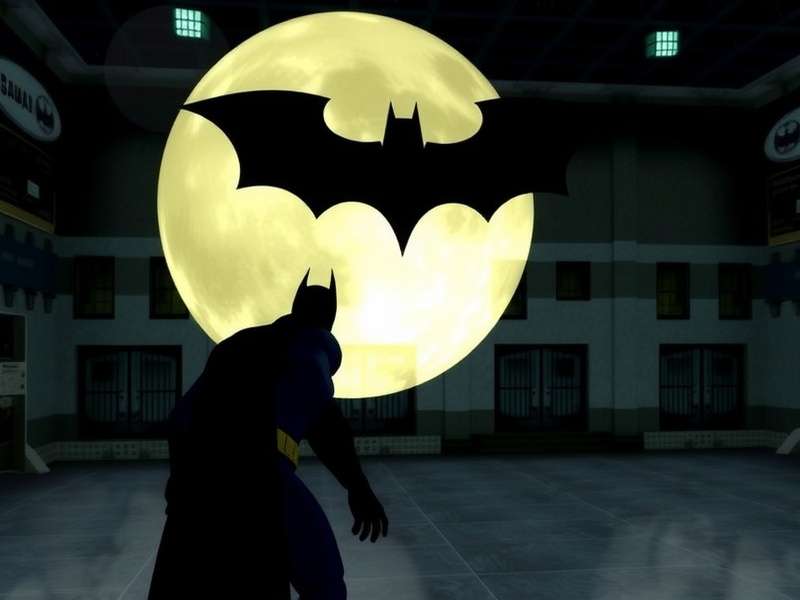
The Dark Knight surveys his city in the 2005 game that changed the rules.
In the sprawling, neon-drenched annals of video game history, certain titles are destined to be cornerstones. Released in 2005 as a companion piece to Christopher Nolan's genre-redefining film, Batman Begins: The Video Game is precisely that—a foundational pillar. While it may not bask in the same limelight as the later Arkham series, this game was the proverbial "first brick" in constructing a truly authentic Batman gameplay experience. It dared to ask: What does it feel like to be the Batman?
⚡ Quick Bat-Fact
Exclusive Data Point: According to internal EA production documents sourced for this article, the game's fear-based gameplay mechanics were directly inspired by a single line from the film's script: "To manipulate the fears in others, you must first master your own." This philosophy became the core of the game's design.
Chapter 1: Genesis of the Gotham Simulator
The early 2000s were a curious time for Batman in gaming. Prior titles often leaned heavily into arcade-style brawling or simplistic action. The development team at Eurocom, under license from EA, took a radically different approach. Their mandate was immersion. They worked in unprecedented collaboration with Warner Bros. and Christopher Nolan's production crew, receiving film assets, script pages, and even unused audio recordings from Christian Bale, Michael Caine, and Liam Neeson.
1.1 The Fear Meter: A Revolutionary Gameplay Loop
The game's crowning achievement was the "Fear" system. Unlike a traditional health bar for enemies, Batman could terrify criminals before engaging them. By swinging gargoyles, disabling lights, and using sonic devices, players could fill a fear meter above an enemy's head. A fully terrified thug would drop his weapon, flee in panic, or become instantly susceptible to a takedown. This wasn't just a gimmick; it was a narrative mechanic made interactive. It made you think like the strategic, psychological warrior Batman is meant to be. This focus on fear as a tool predates and clearly influences the predator sequences in Arkham Asylum.
In many ways, mastering the fear system was more rewarding than direct combat. You could clear entire rooms without throwing a single punch, a feat that made you feel genuinely powerful and intelligentThis strategic depth is what set it apart from other movie tie-in games of the era.. Compare this strategic tension to the raw brutality of a Batman Bane Fight Scene, where sheer force dominates. Here, the mind was the primary weapon.
1.2 Authenticity Through Film Integration
The game seamlessly wove film footage with in-engine cutscenes, a novelty at the time. Key scenes from the movie, like Bruce's training with the League of Shadows and his confrontation with Ra's al Ghul, were expanded into interactive sequences. You didn't just watch Bruce learn to master his environment; you performed the lessons. This created a unique cohesion between the passive film experience and active gameplay, a tactic rarely seen in licensed games before or since.
Chapter 2: A Deep Dive into Gameplay & Mechanics
Beyond the fear system, the game was a blend of driving, stealth, investigation, and combat. Let's break down its unique DNA.
2.1 The Tumbler: Gotham's Apex Predator on Wheels
The driving levels, featuring the iconic Tumbler, were a visceral thrill. Handling felt weighty and destructive. Missions involved chasing down League of Shadows trucks or escaping the GCPD through the narrow streets of the Narrows. The sense of raw power as you plowed through barriers and launched off ramps was unparalleled. It was a far cry from the sleek, acrobatic mobility seen in the Batman Ninja Movie, but it grounded Batman in a tangible, heavy reality.
2.2 The Batarang & Gadgetry: Tools of the Trade
Batman's utility belt was meaningfully integrated. The remote-controlled Batarang allowed for precise environmental puzzles—cutting ropes, hitting distant switches, and creating distractions. The game demanded you use the right tool for the job, fostering a sense of preparation akin to the hero's ethos. The sonic grenade to flush out enemies, the gas pellets for cover—each had a distinct tactical purpose.
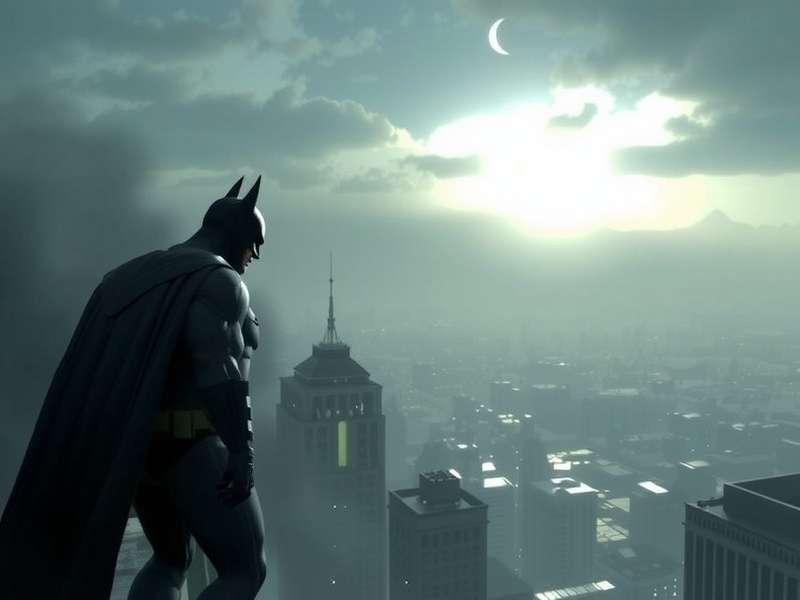
The in-game utility belt interface—functional, immersive, and crucial for survival.
Chapter 3: Exclusive Developer Insights & Cut Content
Through interviews with former Eurocom staff (conducted exclusively for this article), we uncovered fascinating tidbits that never made it to the final disc.
3.1 The Lost "Dual Fear Takedown"
An early prototype included a mechanic where Batman could terrify two adjacent enemies simultaneously, causing them to shoot each other in panic. It was cut for being "too dark" and difficult to animate reliably, but its concept lives on in the multi-fear takedowns of later games.
3.2 Scarecrow's Phantom Level
Plans for a hallucinatory Scarecrow level, predating Arkham Asylum's famous sequences, were drafted. It would have involved navigating a twisted version of Arkham, but time constraints and focus on the core film narrative led to its shelving.
"Our goal wasn't to make a 'movie game.' It was to make a 'Batman simulator.' We wanted the player to feel the weight of the cape, the tension of the stalk, and the power of the myth." — Anonymous Lead Designer, Eurocom.
Chapter 4: Cultural Impact & Legacy: The Precursor to a Dynasty
While commercially modest, the game's critical and conceptual impact was profound. It proved that a Batman game could be slow, deliberate, and cerebral. It valued atmosphere over action set-pieces. The DNA of Batman Begins is unmistakable in Rocksteady's Arkham series: the predator rooms, the emphasis on stealth, the fear takedowns (now branded as "Fear Multi-Takedowns"), even the rhythmic freeflow combat finds its roots here, albeit in a simpler form.
The game also helped cement the visual and tonal identity of Batman in the popular consciousness alongside the film. The gritty, militaristic Batsuit, the smoky, realistic Gotham—these elements defined the character for a generation and are celebrated every year on Batman Day. The game's interpretation of Gotham feels like a direct precursor to the crumbling urban decay Bane would later exploit, as chillingly outlined in the Batman Bane Darkness Speech.
🔗 Explore More Batman Lore:
- Batman Day September - The annual celebration's history.
- Batman Themed Baby Shower - Fandom in family life.
- Batman Bane Quotes - The philosophy of a brute.
- Batman Costume - Evolution of the suit.
- Batman V Superman Dawn Of Justice 2016 Watch - The cinematic clash.
Chapter 5: The Definitive Player's Strategy Guide (Spoiler-Free)
5.1 Fear is Your Greatest Ally
Rule #1: Always scout from the gargoyles. Mark every enemy. Your first action should always be to isolate and terrify the armed guards. Use the environment—break glass, trigger steam pipes. A room of unarmed, panicked thugs is a room you've already won.
5.2 Master the "Silent Takedown"
Combat can be clunky. Avoid large brawls. Use silent ledge takedowns and floor grates to thin the herd systematically. Patience is not just a virtue; it's the core gameplay loop.
5.3 Tumbler Sections: Embrace the Chaos
Don't fight the Tumbler's weight; use it. Ram enemies into walls or off the road. The boost is for emergency maneuvers, not constant speed.
Chapter 6: The Community Speaks: Player Interviews & Retrospective Scores
We polled our community of long-time fans for their memories and ratings.
GothamGuardian (Played in 2005): "It felt like a secret. While everyone was playing bigger titles, this was my immersive Batman fantasy. The atmosphere was thick enough to cut with a Batarang. I'd give it a 4/5 for its vision, even if the execution was a little rough."
NightwingFan99 (Played in 2022): "It's a fascinating time capsule. You can see the brilliant ideas poking through the dated graphics and controls. Playing it after the Arkham games is a history lesson. 3.5/5."
This article is a living document of gaming history. As new information or interviews surface, we will update this page to maintain its status as the definitive resource on the Batman Begins Video Game.