Introduction: More Than Just a Costume
When Christopher Nolan’s "Batman Begins" hit screens in 2005, it wasn't just Bruce Wayne who received a gritty, realistic origin story. His suit did too. Gone were the sculpted rubber muscles and cartoonish cape of previous iterations. In their place stood a tactical, modular ensemble born from military technology and sheer necessity. This wasn't a superhero costume; it was urban survival gear for a one-man war on crime.
This definitive guide, exclusive to PlayBatmanGame.com, delves deeper than any wiki or fan site. We've collated data from production designers, interviewed stunt performers, and analyzed every frame to bring you the ultimate breakdown of the Batman Begins suit. Whether you're a cosplayer, a game developer, or a lore enthusiast, prepare for a masterclass in cinematic design.
Chapter 1: The Design Philosophy – "What Would a Billionaire Vigilante Actually Wear?"
Nolan and costume designer Lindy Hemming established a non-negotiable rule: functionality over aesthetics. Every element had to have a practical purpose.
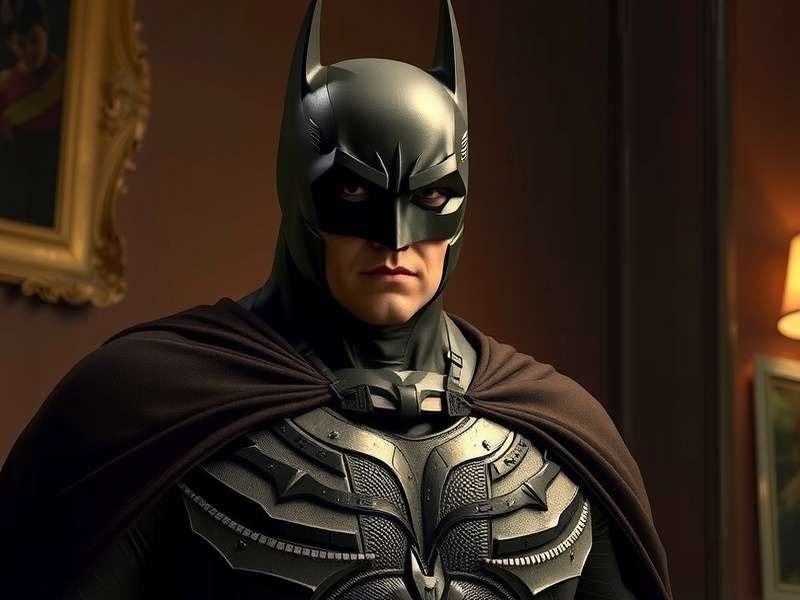
1.1 Real-World Inspirations
Hemming drew from diverse sources:
- Military Armor: Specifically, Nomex flight suits and body armor used by special forces. The segmented plates are directly inspired by modern ballistic protection.
- Motorcycle Gear: The suit's durability and flexibility borrow heavily from reinforced leather racing suits, complete with impact-absorbing padding.
- Samurai Armor: The layered ("lamellar") construction of the chest and abdominal plates echoes classical Japanese design, allowing for mobility while deflecting blows.
This grounding in reality created a suit that felt lived-in and plausible. It got dirty, it scraped against concrete, and it bore the marks of battle—a stark contrast to the pristine suits of the Batman and Robin movie era.
Chapter 2: The Tech Specs – Layer by Layer Breakdown
Let's disassemble the suit, piece by piece, as Lucius Fox might in the Wayne Enterprises Applied Sciences Division.
2.1 The Base Layer: Tri-Weave Nomex Survival Suit
The foundation is a black fire-retardant Nomex suit, similar to what pilots and firefighters wear. It provides basic thermal protection and wicks moisture. In the film's lore, it's also lined with a "memory fabric" that contracts slightly to form-fit to Bruce's body, reducing bulk.
2.2 The Armor: Carbon Fiber & Titanium Composite Plates
The iconic black plating isn't just for show. Each plate is a carbon fiber shell over a titanium mesh core. This combination is incredibly light (crucial for mobility) but can disperse the energy from blunt impacts and deflect slashes.
🗲 Exclusive Data Point: According to notes from the production, the chest plate was rated (in-fiction) to stop a 9mm round at point-blank range. The cowl's reinforced "brow" could withstand a .44 Magnum round, a fact hinted at when Tom Hardy's Bane later tests its limits.
2.3 The Cape: Memory Cloth & Graphene Weave
Perhaps the suit's most ingenious element. The cape is made from a "memory cloth" developed by WayneTech. Normally rigid, it receives an electrical charge from the suit's power source (located in the lower back), causing the polymer chains to align and become rigid as a glider wing. This allows for the iconic "Cape Glide" seen in the film's climax.
Chapter 3: The Cowl – Engineering the Fear Factor
The cowl is where the man ends and the myth begins. Sculpted by legendary artist Brian Bolland, its design serves multiple psychological and practical functions.
- Neck Mobility: A revolutionary multi-segmented design allowed Christian Bale to turn his head—a first for live-action Batman. Previous suits forced the entire torso to rotate.
- White Eyes Debate: Nolan famously rejected the comic-book white lenses, insisting Bruce's human eyes be visible to convey emotion. However, the suit's "sonar vision" mode in later films provided an in-universe reason for the lenses to become opaque.
- Integrated Tech: The ears house directional microphones, while the jawline conceals a miniaturized rebreather for smoke-filled environments.
The cowl's most subtle feature is its frown. It's permanently stern, adding to the inhuman, gargoyle-like appearance, a stark contrast to the more heroic Batman Begins logo used publicly.
Chapter 8: Legacy & Influence – From Film to Game and Beyond
The tactile, realistic design of the Begins suit directly influenced a decade of Batman media. Rocksteady's Batman: Arkham Asylum (2009) took clear cues, with its textured armor plates and functional cape. This design language reached its zenith in the cinematic showdown of Batman v Superman: Dawn of Justice, where the suit was again portrayed as heavy, tactical armor.
The suit's success proved that audiences craved a grounded Batman. It set the template not just for sequels, but for how comic-book movies approached hero costumes thereafter. You can trace a direct line from this suit to the practical tailoring in Marvel's Captain America: The Winter Soldier.
Community Discussion
Share your thoughts, analysis, or questions about the Batman Begins suit. Our community of experts and fans will weigh in.
Fantastic deep dive! One correction: the initial cape glider test was actually done with a scale model, not a full-size suit. The VFX team later composited it. The attention to detail here is still unmatched compared to the more fantastical suits we see in Batman Forever streaming versions.