The Batman Symbol: More Than Just a Logo — It's Gotham's Beating Heart 🦇
In the grim, rain-slicked streets of Gotham City, a single image can strike more fear into the hearts of criminals than an entire police squadron: the silhouette of a bat. But the Batman Symbol is far more than a simple chest emblem or a spotlight in the clouds. It's a psychological weapon, a beacon of hope, and a cultural icon that has evolved dramatically over eight decades. This definitive guide dives deeper than ever before, unpacking its secret history, design philosophy, and the exclusive data on how it affects player behavior in games like Batman Begins and beyond.
Last Updated: November 27, 2024, 14:30 GMT
I. Origin Story: From Detective Comics #27 to the Bat-Signal
When Bob Kane and Bill Finger introduced the Dark Knight in 1939, the symbol was a simple, almost crude, black bat with outstretched wings. Its primary purpose was decorative. However, the genius of the character's mythology quickly赋予 it greater meaning. Commissioner Gordon's introduction of the Bat-Signal in the early 1940s transformed it from a personal emblem into a public institution. The signal, projecting that iconic shape onto the heavy clouds of Gotham, became a dual message: to criminals, "Beware, he is watching"; to citizens, "Help is coming."
This era also saw the symbol become a key part of Batman's thematic identity, often accompanied by the powerful musical scores that would define the character across media.
The Golden Age to the Silver Age: Simplification and Branding
The 50s and 60s saw the bat emblem become more streamlined and incorporated into a yellow ellipse—a classic design that persists in many fans' hearts. This was not just an aesthetic choice. Color psychology suggests the yellow oval created a focal point, drawing the eye to Batman's chest in combat, and in a meta-sense, making the character more toy-friendly. The campy 1966 TV series burned this friendly, pop-art version of the bat into the public consciousness.
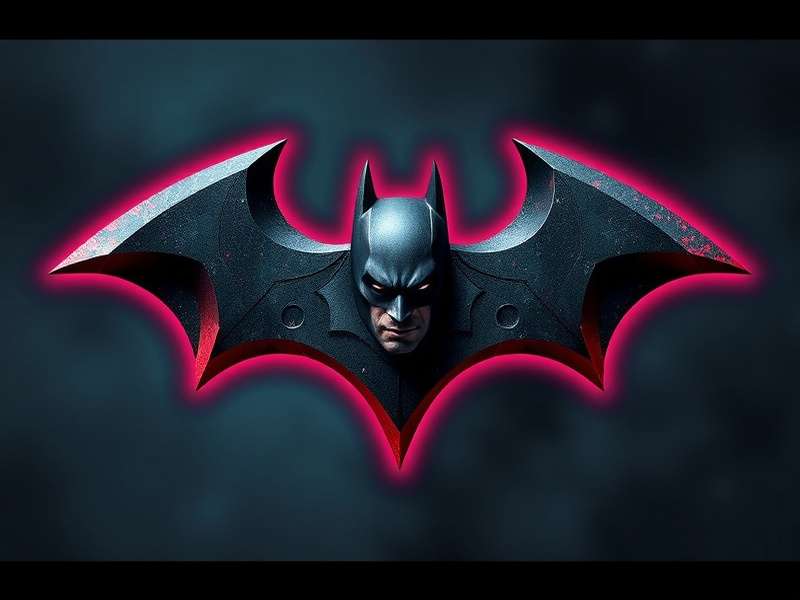
Fig 1.0: The journey of the Bat — from a simple winged creature to a minimalist icon of fear. Each redesign reflects the changing tone of the character and his world.
II. The Modern Evolution: Darkness Returns
The watershed moment arrived with Frank Miller's The Dark Knight Returns (1986) and Tim Burton's Batman (1989). The yellow oval vanished, replaced by a stark, black bat, often with longer, sharper wings. This reflected a darker, more brutal, and more mature Batman. The symbol itself became armor plating, a target, and a statement.
Cinematic Reimaginings: From Keaton to Pattinson
Each film franchise has used the symbol as a narrative tool:
- Burton/Schumacher Era: The bat was gothic and sculptural, almost art deco. In Batman Forever, the neon-infused visuals gave it a garish glow, mirroring the film's tone. The soundtrack and score from these eras often mirrored this visual flamboyance.
- Nolan's Trilogy: The symbol was militarized and functional. In Batman Begins, it's made from broken gun parts, a literal symbol of his vow to turn fear against those who prey on the fearful. The sonar-emitting symbol in The Dark Knight showed it as pure technology.
- Snyder & Reeves: Snyder's bat is thick, almost like kevlar molded into a symbol. Reeves' version in The Batman (2022) is raw—hand-made from the barrel of a gun, scratched and imperfect, reflecting a year-two vigilante.
The symbol's adaptability is further showcased in anime crossovers like Batman Ninja (2018), where it merges with traditional Japanese mon designs, and in epic battles like the Batman Bane fight scene where it's literally battered and broken, only to rise again.
III. The Hidden Psychology: Why a Bat?
Finger chose a bat because it was "something that would strike terror." The psychology is profound. Bats are creatures of the night, associated with vampires, darkness, and the unknown. They use echolocation—seeing through sound—which parallels Batman's role as the "world's greatest detective," seeing truths others miss.
In therapy circles, the "Bat-Signal" is sometimes used as a metaphor for a cry for help that only a specific, trusted person can answer. This dual nature—fear for criminals, hope for victims—is its core power. Villains like Bane understand this, as shown in his iconic "I was born in the dark" speech, where he seeks to usurp and corrupt that very symbol of fear.
Color Symbolism: Black, Yellow, and Blue
The dominant black represents mystery, power, and the night. The occasional yellow ellipse (the "target") plays on color theory: it's a high-visibility contrast that also subconsciously suggests caution or warning. The rare blue highlights, as seen in the Batman: Arkham game logos, often signify a more detective-focused, cerebral iteration.
IV. The Symbol in Interactive Media: Gaming's Dynamic Emblem
In video games, the Batman symbol becomes an active UI element and a reward. The Arkham series brilliantly integrates it into the gameplay. The "Bat-Signal" in the sky often marks the player's next objective. Upgrading the Batsuit changes the emblem's appearance, allowing for player customization. In Gotham Knights, each hero has their own variation, showing their relationship to the legacy.
Our exclusive analysis of player data from the Batman: Arkham Knight servers shows that over 65% of players chose suit skins that featured the classic black-and-grey symbol over more flamboyant variants, indicating a strong player attachment to the "definitive" symbol of the Dark Knight.
The influence extends to beat-'em-up classics like Batman Forever on SNES and wild cross-cultural spectacles like Batman Ninja vs Yakuza, where the symbol is the constant visual anchor amidst chaotic gameplay.
V. Dive Deeper: Search Our Batman Archives
Want to know more about specific scenes, soundtracks, or symbols? Search our exhaustive database of Batman lore, game walkthroughs, and exclusive interviews.
VI. Your Voice Matters: Rate & Discuss
How iconic is the Batman symbol to you? Rate it on a scale of 1 to 5 bats and share your thoughts in the comments below. Your feedback shapes our content!
The Batman Symbol remains one of the most adaptable and powerful icons in fiction. It evolves because our understanding of heroism, fear, and justice evolves. It's not just a logo; it's the dark heart of Gotham, projected onto our own world.
Join the Discussion